
For generations, travelers have organized their days around daylight. Get up. See the sights. Take the photos. Then, as the sun sets, the day starts wrapping up.
One of travel’s fastest-growing trends turns that itinerary upside down. And the lights off.
Noctourism or Astrotourism?
“Noctourism” – or nocturnal tourism – is the growing appetite for travel experiences after dark.
Noctourism can intersect with astrotourism, but they’re not exactly the same thing.
‘Astrotourism’ is about traveling for celestial experiences. And a recent survey of tens of thousands of travelers found that nearly two-thirds were considering trips to darker-sky destinations for ‘starbathing,’ constellation tracking and rare celestial events.
At night, right?
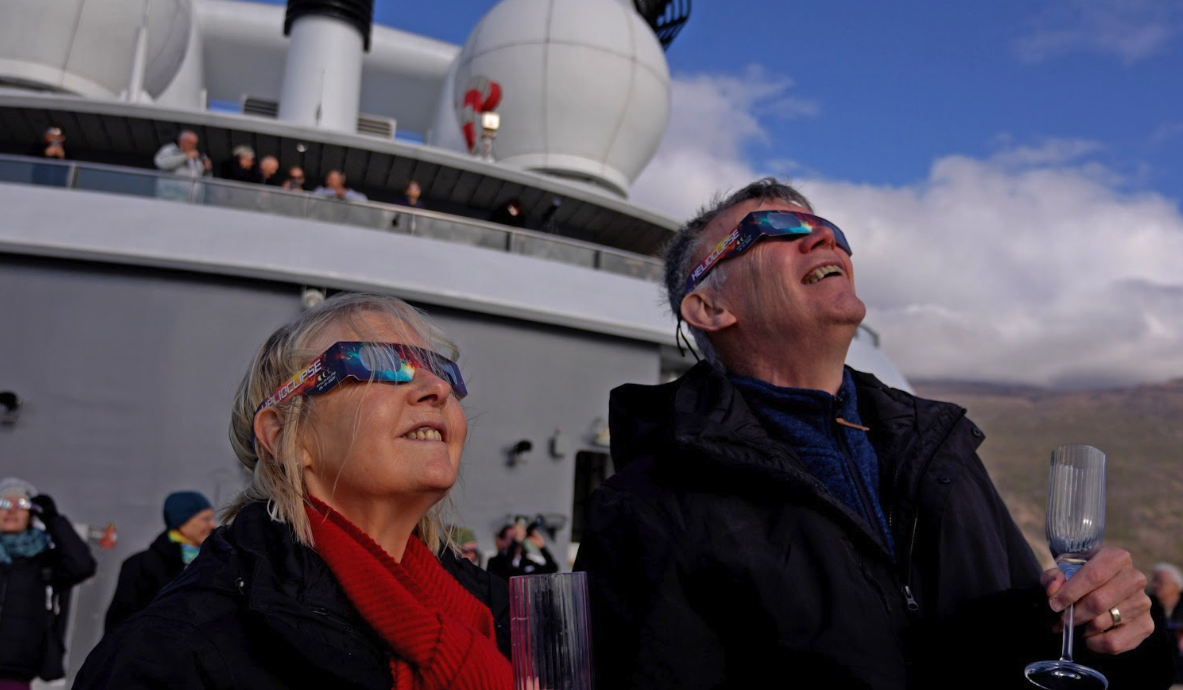
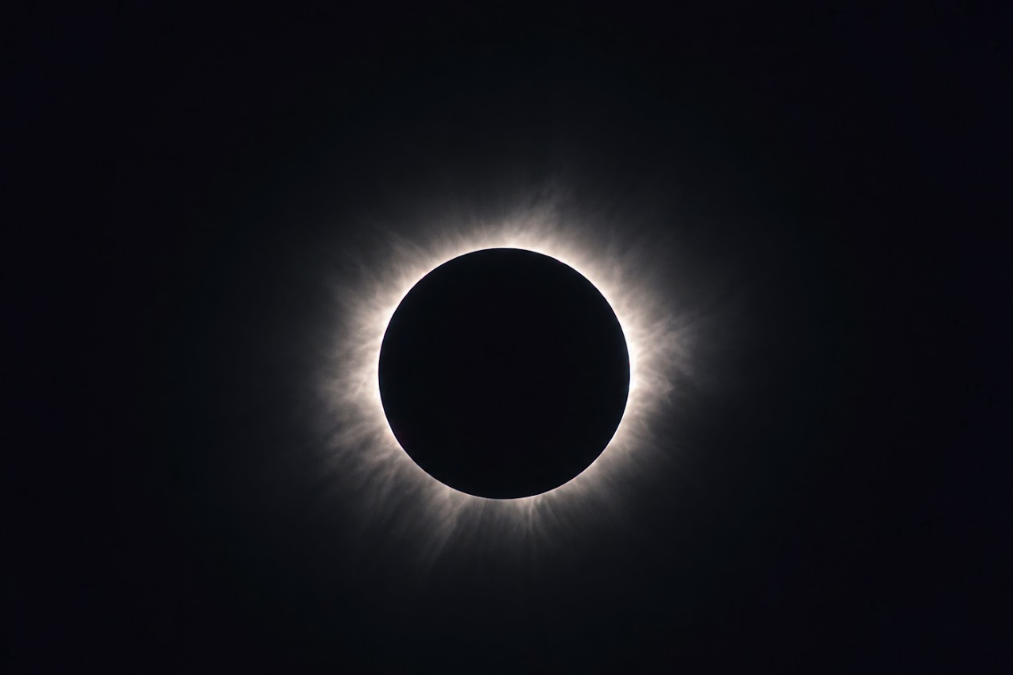
Actually, one of the most recent examples of astrotourism was in the daytime: the August 2026 total solar eclipse, the ‘eclipse of the century,’ lasting over 6 minutes in some places, took place in the middle of a day that was plunged into darkness. Entire countries went on pause to witness the longest total eclipse that almost anyone alive will ever see. Countless travelers planned trips around the eclipse and cruise lines sent dozens of sold-out ships on itineraries specifically designed to put the vessels and their fascinated guests in its path.
The extraordinary response to the solar eclipse reminds us how travel is increasingly about collecting experiences, not simply places.
More and more, the spotlight, if you’ll excuse the pun, is shining on the nighttime. Enter noctourism, which includes
- stargazing in the darkest remaining pockets of the planet,
- tracking wildlife’s unique behavior after sunset,
- floating on bioluminescent water,
- touring famous illuminated landmarks, and experiencing sound and light shows that reveal monuments in a new ‘light’ after dark; and
- exploring night markets when neighborhoods take on new life.
No wonder noctourism is one of the fastest-growing travel trends!
Night is the New Day
Part of noctourism’s appeal is practical.
As summer temperatures climb in many popular destinations, travelers can shift sightseeing into cooler evening hours. That survey found more than half of travelers planned activities for evenings and early mornings, not just for nighttime attractions, partly to avoid daytime heat and sun.
Sometimes it’s quieter, too, after the daytime crowds have gone to bed.
But the best noctourism isn’t simply daytime sightseeing rescheduled.
Some travel experiences only happen in the dark.
Where to Go and What to Do After the Lights Go Out
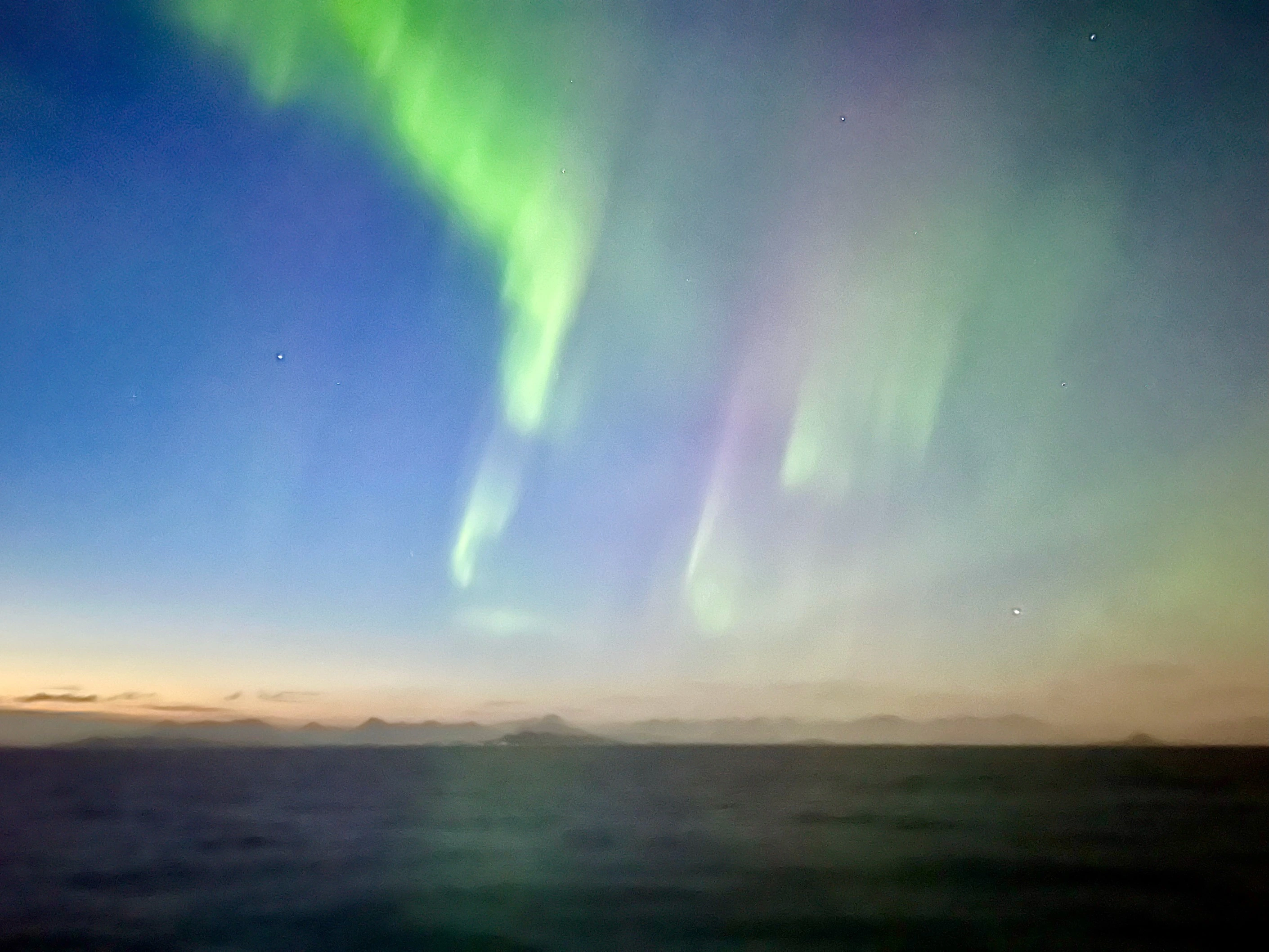
- Aurora Borealis: Few nighttime experiences compete with watching the aurora borealis sweep across an Arctic sky. Arctic destinations like Norway, Iceland, Greenland, Canada, as well as cruise lines are creating more opportunities for aurora tourism, from astronomer-led stargazing to glass-roofed accommodations designed to keep eyes on the heavens, and itineraries that have nights at sea where no ‘light pollution’ from land interferes with the magical illumination of the night sky.
- After Sunset African Safari: An African safari changes personality after sunset. Night drives can reveal predators becoming active and nocturnal species rarely seen during the day. Botswana’s Okavango Delta is particularly rewarding for after-dark wildlife encounters and sleep-outs surrounded by the sounds of wildlife in one of Africa’s great wetlands. Zambia’s South Luangwa National Park is renowned for night drives and exceptional leopard viewing, when predators and elusive nocturnal species become active. South Africa’s Greater Kruger private reserves combine excellent Big Five territory with the freedom to continue game drives after dark, in search of everything from hunting lions and hyenas to bushbabies and genets.
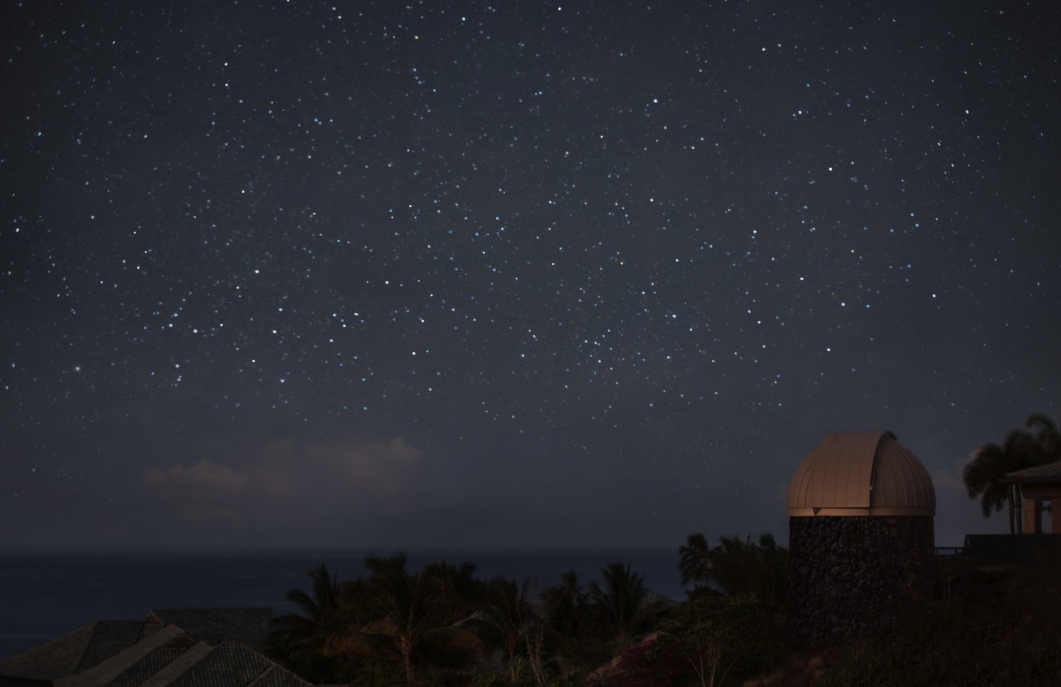
- Stargazing: Hawaii is one of the world’s great stargazing destinations thanks to high volcanic summits like Mauna Kea and Haleakalā that rise above clouds and atmospheric interference, exceptionally low light pollution, a latitude that reveals constellations from both the Northern and much of the Southern Hemisphere, and world-class observatories on Mauna Kea. In Arizona, Tucson has created an Astro Trail connecting 11 sky-watching locations, including Mount Lemmon SkyCenter and Saguaro National Park.
- Bioluminescence: Mosquito Bay on Vieques in Puerto Rico is famous for bioluminescence, where microscopic organisms illuminate disturbed water with an electric blue-green glow. Kayaking through it turns darkness into the main attraction. And for an exotic escape, bioluminescent plankton in the Maldives can transform dark beaches into a so-called “Sea of Stars,” with tiny flashes of blue light appearing in the water and along the shoreline.
- Nighttime Illuminations: Noctourism doesn’t require wilderness. After-dark sightseeing offers a new perspective on monuments, landmarks and historic neighborhoods – and can provide welcome relief from both summer heat and daytime crowds in the world’s great cities, from Rome to Cairo to Kyoto.
A new focus on noctourism is making the whole world of travel just a little brighter.
START YOUR TRIP!
By: Lynn Elmhirst, travel journalist and expert
Image Credits:
- Northern Lights: Lynn Elmhirst aboard Seabourn Venture, off the coast of Greenland
- August 2027 Solar Eclipse: Tino Raimondi / Scenic Luxury Cruises & Tours
- Hawaii: Four Seasons Resort Lanai Observatory
- Budapest: Lynn Elmhirst aboard Riverside Mozart
All rights reserved. You are welcome to share this material from this page, but it may not be copied, re-published, broadcast, rewritten or redistributed.